The Bristol Xanthelasma Treatment Centre

Get Your Xanthelasma Treatment with Dr Brad in Bristol
Advanced CO₂ Laser Xanthelasma Removal only by Dr Brad
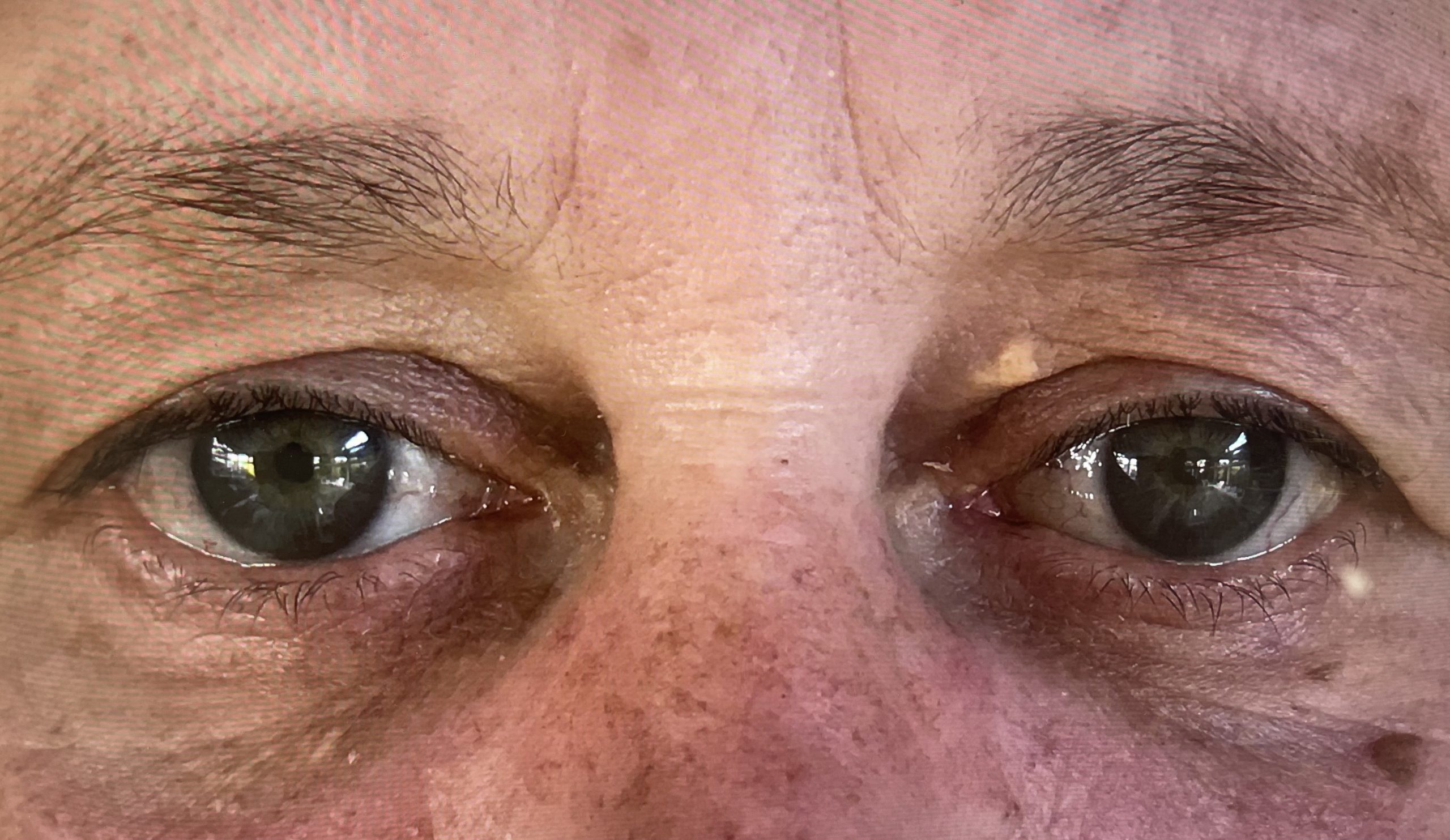
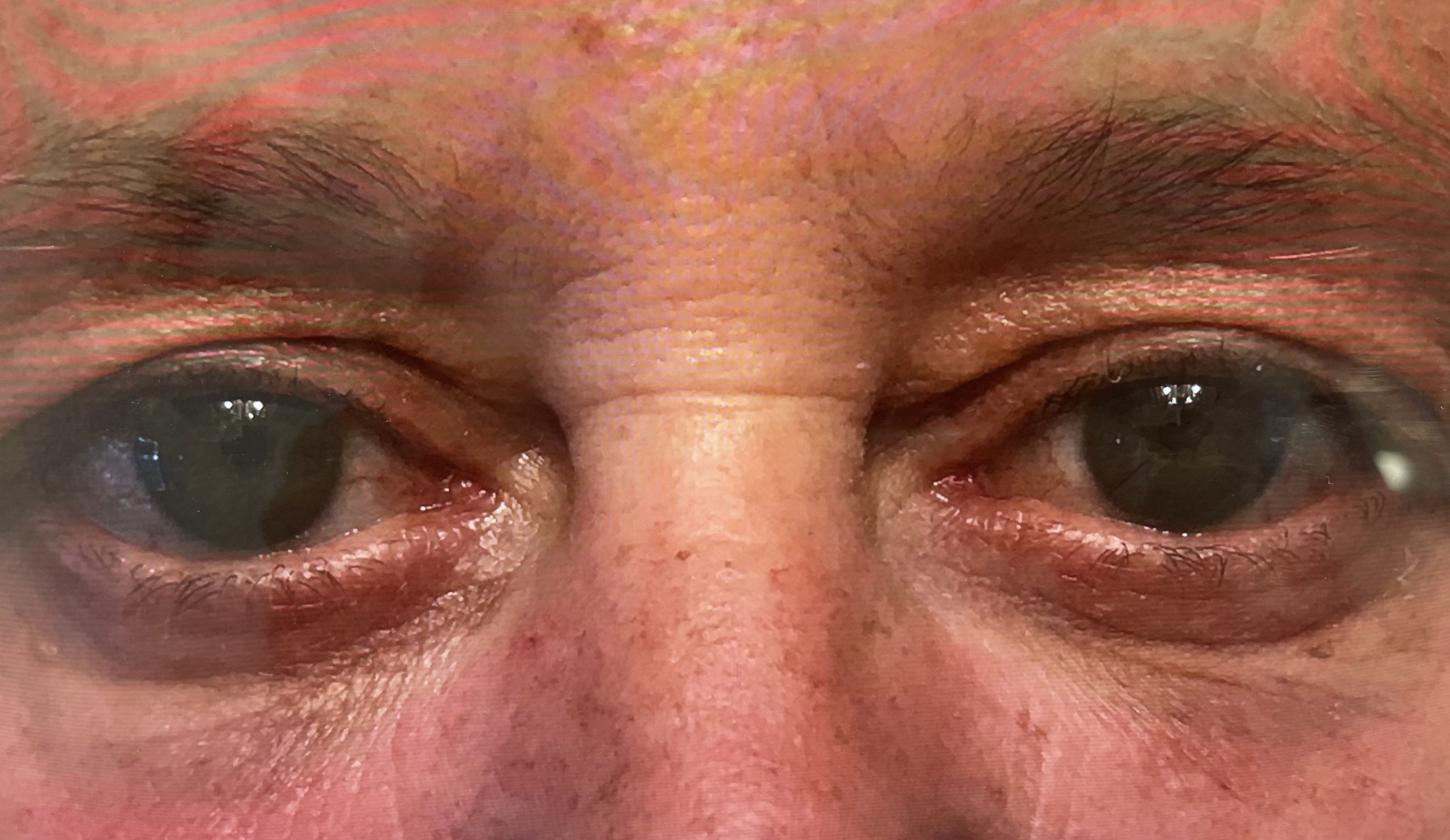
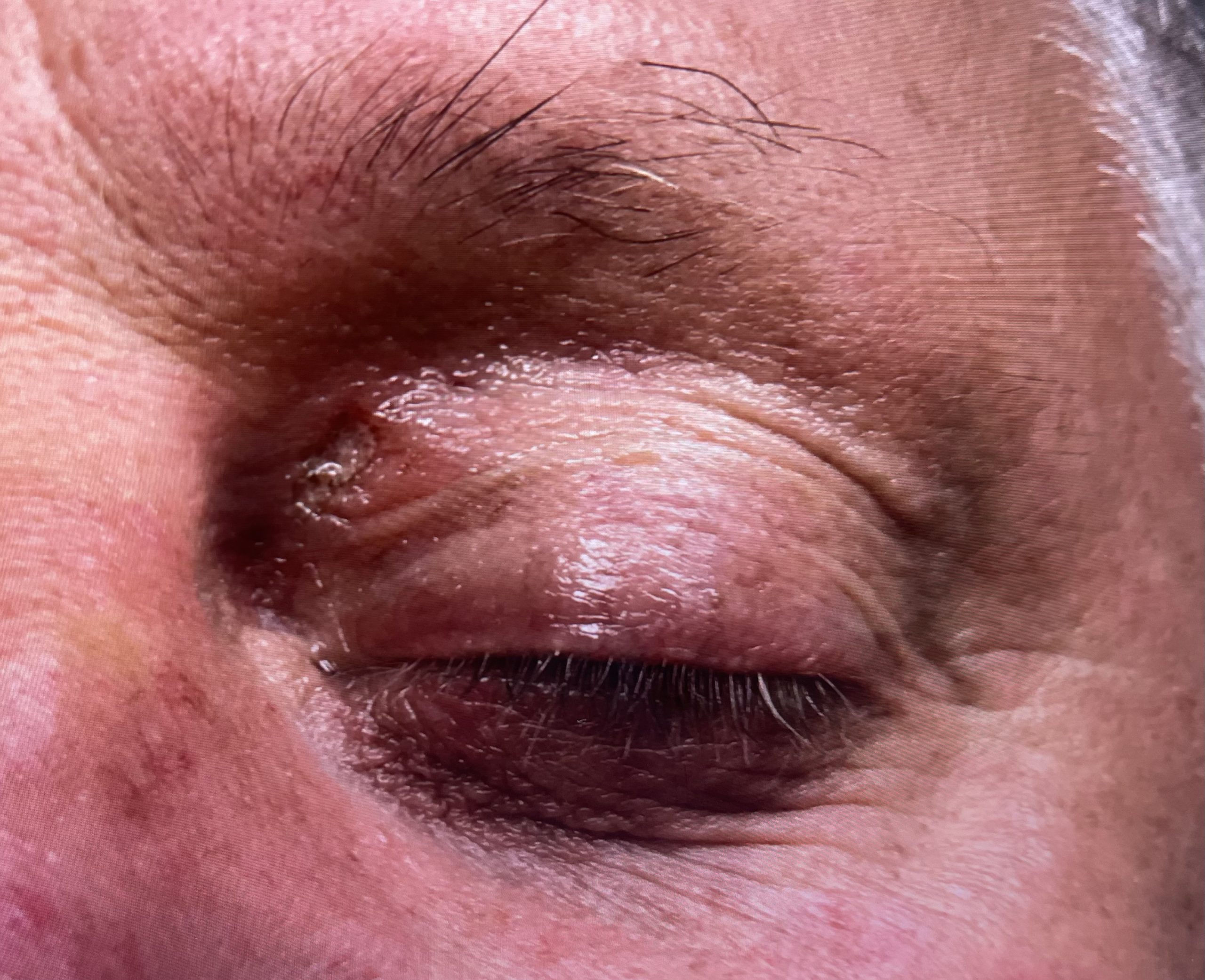
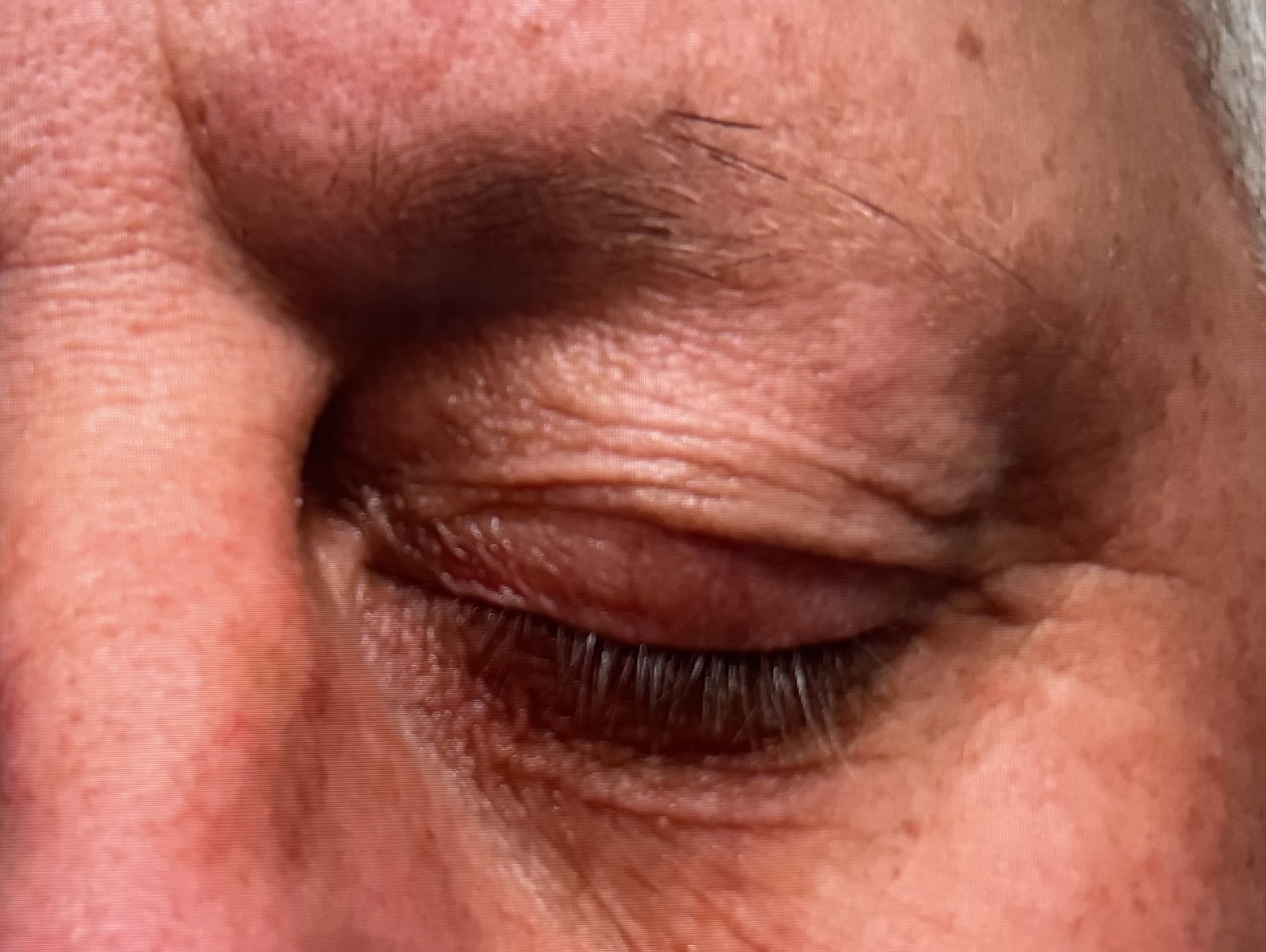
Xanthelasma are a common but often distressing eyelid condition. They appear as soft, yellowish plaques around the inner corners of the eyelids and can make the eyes look aged, tired, or unhealthy—even in otherwise fit and well individuals. While xanthelasma are medically benign, their visibility means many patients actively seek effective, permanent removal. Click this link to learn about our REVIDA eRaze-X laser xanthelasma removal treatment in Bristol .
At Dr Brad’s Laser and Cosmetic Clinic in Bristol, xanthelasma are treated using precision CO₂ laser technology, offering a controlled, medically led solution with excellent cosmetic outcomes and a low risk of scarring when performed correctly.
This in-depth guide explains what xanthelasma are, why they occur, the full range of treatment options, and—crucially—why CO₂ laser removal by an experienced doctor is widely regarded as the gold-standard approach.
What Is Xanthelasma?
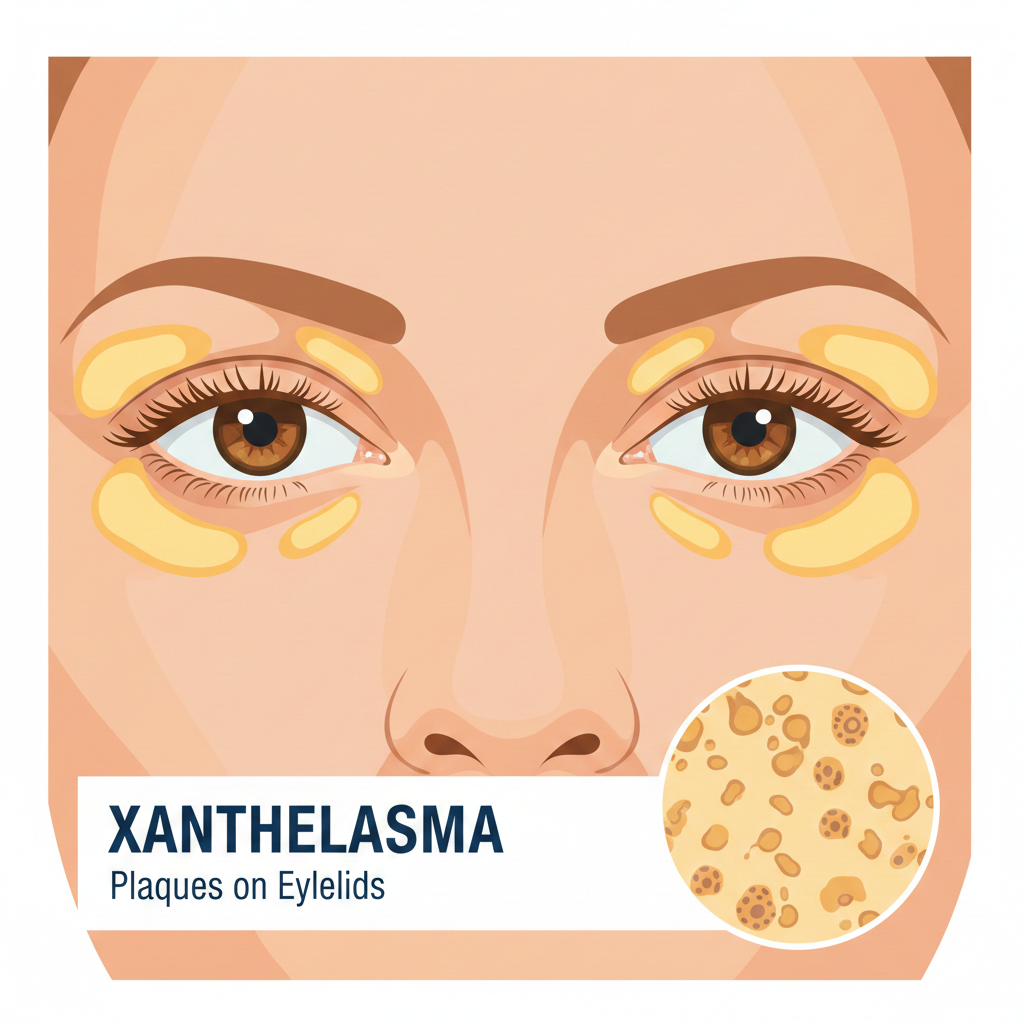
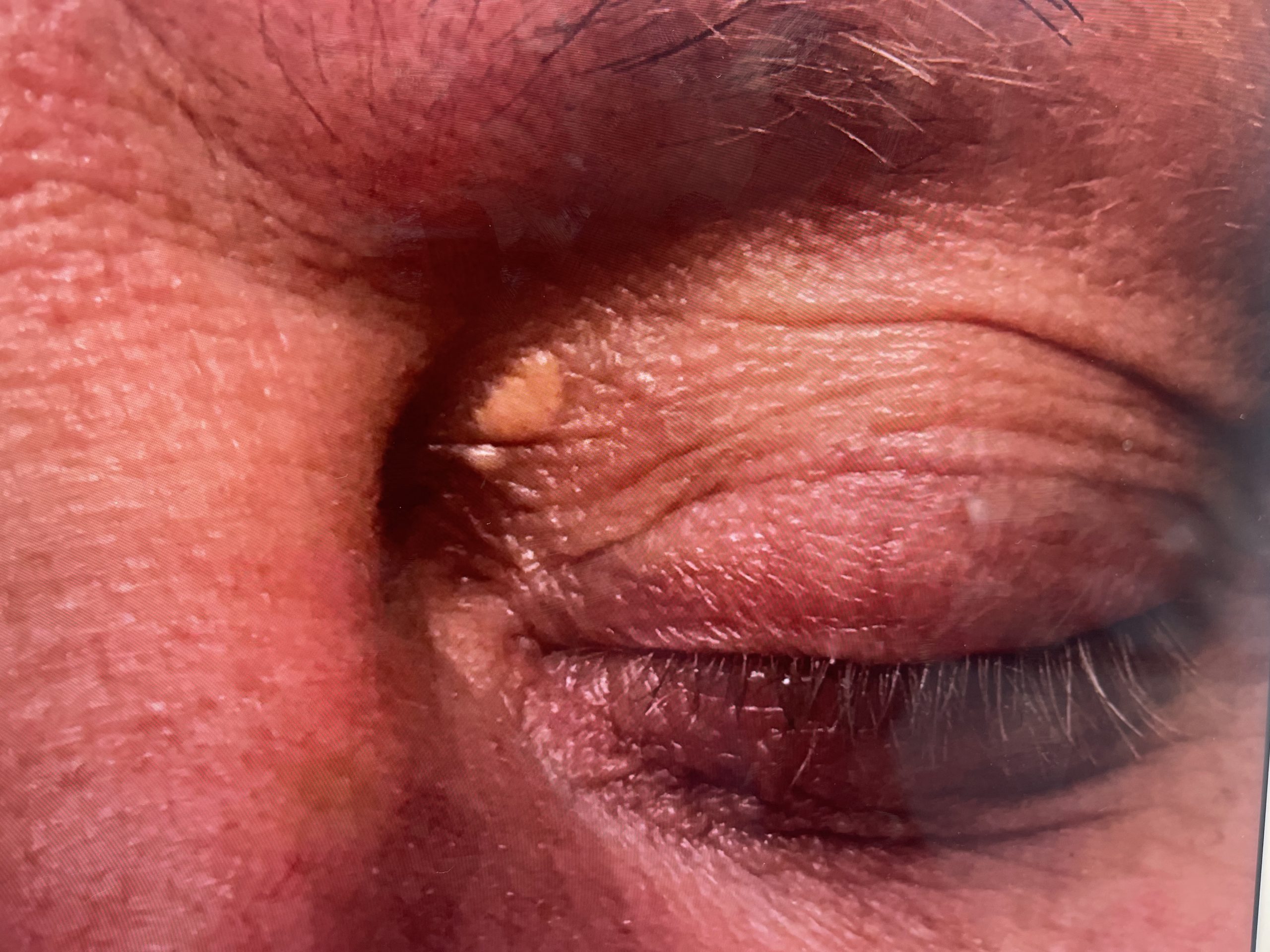
Xanthelasma palpebrarum are cholesterol-rich lipid deposits that accumulate within the superficial dermis of the eyelids. They most commonly form at the medial (inner) upper eyelids, but may also affect the lower lids or extend laterally with time.
Key features:
-
Flat or slightly raised yellow or cream plaques
-
Soft, non-tender texture
-
Usually symmetrical
-
Slowly progressive
-
Do not resolve spontaneously
Although xanthelasma are not dangerous, they can be cosmetically prominent and psychologically impactful.
Why Do Xanthelasma Form?
The exact cause varies between individuals, but contributing factors include:
-
Genetic predisposition
-
Raised cholesterol or lipid abnormalities
-
Normal cholesterol levels (very common)
-
Increasing age
-
Metabolic conditions (less commonly)
Importantly, many patients with xanthelasma have normal blood lipid profiles. Treating cholesterol alone rarely removes existing plaques—once present, xanthelasma usually require physical removal.

Do Xanthelasma Go Away on Their Own?
No.
Xanthelasma do not regress spontaneously and topical creams or “eye serums” are ineffective. Over time, plaques often enlarge or multiply, making early definitive treatment preferable.
Treatment Options for Xanthelasma
Several approaches exist, but outcomes vary significantly depending on method and operator experience.
1. Surgical Excision
-
Involves cutting out the lesion
-
Requires sutures
-
Higher risk of scarring or lid distortion
-
Less suitable for delicate medial eyelid skin
2. Chemical Cautery (e.g. TCA acid)
-
Unpredictable depth control
-
Risk of pigment change or scarring
-
Often requires multiple sessions
-
Variable cosmetic outcomes
3. Plasma / RF / “Soft Surgery” Devices
-
Limited depth precision
-
Higher recurrence rates
-
Risk of textural change
4. CO₂ Laser Removal (Gold Standard)
-
Precise, layer-by-layer ablation
-
Excellent cosmetic control
-
Minimal bleeding
-
No sutures required
-
Performed under magnification
-
Low recurrence when properly treated


Why CO₂ Laser Is the Preferred Treatment
CO₂ laser energy is selectively absorbed by water in the tissue, allowing controlled vaporisation of xanthelasma deposits while preserving surrounding skin structures.
Key advantages:
-
Micron-level precision
-
Predictable depth control
-
Minimal collateral thermal damage
-
Excellent healing on eyelid skin
-
Reduced scarring risk compared with surgery
At Dr Brad’s clinic, CO₂ laser treatment is delivered using medical-grade fractional and focused ablative platforms, with parameters tailored specifically for eyelid anatomy.
Dr Brad’s Approach to Xanthelasma Removal
Xanthelasma treatment demands medical judgement, not just laser access. The eyelids are unforgiving territory—errors in depth, energy, or technique can lead to scarring or pigment change.
Dr Brad personally:
-
Assesses plaque depth and eyelid anatomy
-
Determines suitability for CO₂ laser vs alternatives
-
Uses conservative, staged ablation where needed
-
Avoids over-treatment of thin medial skin
-
Manages wound care and healing progression
Every treatment is doctor-delivered, not delegated.
What Does the Procedure Involve?
Consultation
-
Full assessment of eyelids and plaques
-
Medical history and lipid discussion
-
Explanation of healing and expectations
On the day
-
Topical anaesthetic (local anaesthetic if required)
-
Laser treatment typically takes 20–40 minutes
-
No stitches
-
Treated area forms a superficial crust
Aftercare
-
Antibiotic ointment if indicated
-
Gentle cleansing
-
Strict sun avoidance during healing


Healing & Downtime
-
Initial crusting: ~5–7 days
-
Pink healing skin: 2–6 weeks
-
Gradual blending with surrounding skin over time
Most patients return to normal activities within a week, with makeup used once re-epithelialisation is complete.
Will Xanthelasma Come Back?
Recurrence risk is low when plaques are fully and correctly ablated, but not zero.
Factors influencing recurrence:
-
Depth of original lesion
-
Genetic tendency
-
Lipid metabolism
Dr Brad’s conservative-precision approach aims to minimise recurrence while protecting eyelid skin integrity.
Why Choose Dr Brad for Xanthelasma Treatment in Bristol?
-
Doctor-led clinic with custom Revida eRaze-X CO2 laser treatmet.
-
Extensive experience with periocular laser treatments
-
Advanced CO₂ laser platforms
-
Precision-first philosophy
-
Honest counselling on outcomes and limitations
-
Strong focus on cosmetic safety
- Excellent reviews for laser xanthelasma treatment
This is not a “beauty salon” procedure—it is a medical laser treatment on one of the most delicate areas of the face.
⭐ Xanthelasma Removal Pricing
Xanthelasma removal requires high precision, meticulous depth control, and careful cosmetic judgement.
All treatments are performed by a medical doctor.
Consultation
£60 (redeemable if treated on the same day or within 30 days)
🔵 Revida eRaze-X™ CO₂ Xanthelasma Removal
1–2 plaques: £1,250–£1,450
3–4 plaques (bilateral): £1,950–£2,250
(Larger or unusually thick plaques may occasionally require staged treatment; this is discussed upfront.)
This pricing is significantly below major oculoplastic and dermatology centres, where fees often exceed £2,500–£4,000, yet the quality and precision remain exceptionally high.
Frequently Asked Questions
Is CO₂ laser safe near the eyes?
Yes—when performed by an experienced doctor using appropriate eye protection and conservative parameters.
Will it scar?
Permanent scarring is uncommon with correct technique. The eyelids heal exceptionally well.
Is it painful?
Discomfort is well controlled with topical or local anaesthetic.We aim to deliver a painfree experience so you shouldnt feel anything.
How many sessions are needed?
Most xanthelasma are treated in a single session. Larger or deeper plaques may occasionally require staged treatment.
Book a Xanthelasma Consultation in Bristol
If you are concerned about yellow eyelid plaques and want a definitive, medically led solution, CO₂ laser treatment with Dr Brad offers precision, safety, and excellent cosmetic results.
If you have questions in advance why not send us an email at info@doctorbrad.co.uk and Dr Brad will personally get back to you with an opinion and guidance.
👉 Click to book your consultation at: https://www.doctorbrad.co.uk/bookings
Early assessment often allows simpler treatment with better outcomes.